



 Locks & Cylinders

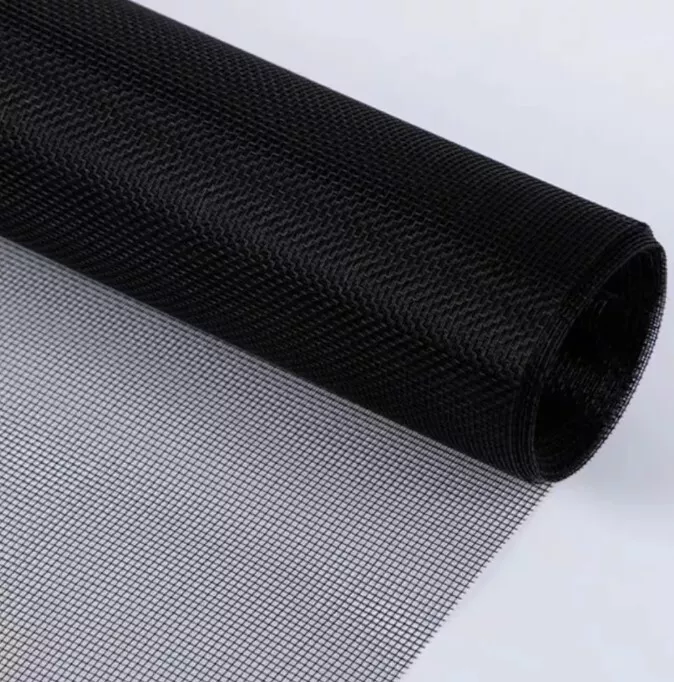 Stainless Steel Flyscreen Mesh
 Pet Paw Resistant Flyscreens and Mesh
 Aluminium Flyscreen Insect Mesh
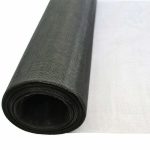 Flyscreen Insect Mesh Nylon Heavy Duty
 Flyscreen Accessories, Clips & Spline

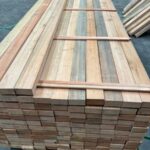 F17 Hardwood
TradeBase Buying Guide
Stop your dog and cat shredding the flyscreens
Two TradeBase mesh options stop pets shredding flyscreens. The strongest is our reinforced polymer pet-resistant mesh (0.80 mm strand). A great middle option is our Super Heavy Duty 0.46 mm aluminium mesh — tougher than standard fibreglass, lighter on the wallet than pet mesh.
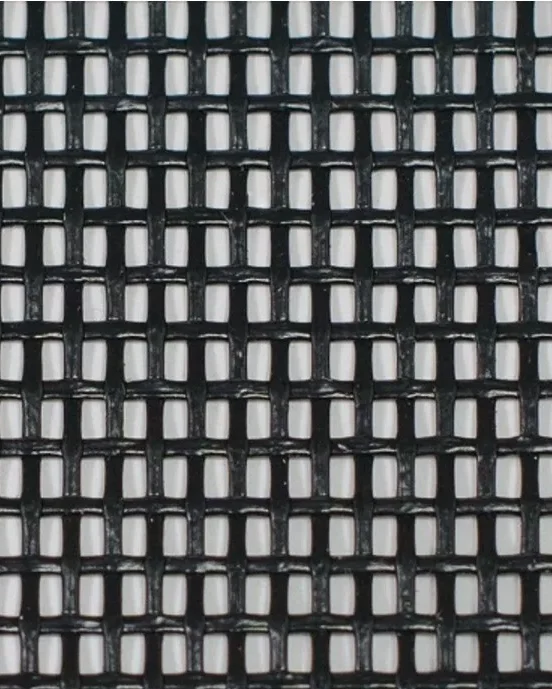
If you’ve replaced a flyscreen more than once because the dog put a paw through it, or because the cat learned to climb it, you don’t need another standard fibreglass mesh. Standard fibreglass is rated for keeping bugs out, not for keeping a 30 kg labrador in. TradeBase has two pet-friendly upgrades: Pet-Resistant reinforced polymer — the heaviest-duty option, near-bulletproof against scratching and clawing — and Super Heavy Duty 0.46 mm aluminium, a strong middle-tier option that costs less per metre than pet mesh while still being substantially tougher than standard fibreglass.
The 60-second decision
- How aggressive are the pets? Big dog, climbing cat, multiple pets → pet-resistant. One quiet cat, occasional clawing → aluminium Super HD is fine.
- What size is the screen? 910 mm covers most window screens and standard screen doors. 1220 mm covers wider patio screens. 1520 mm covers full-height door panels.
- How many panels? One window, one door, or the whole house.
- Cut to size, or full roll? One panel: cut-to-size. Multiple panels: 14 m, 15 m or 30 m roll.
- Installer, builder or property services? Bulk-roll trade pricing locks in cost across multiple jobs.
Three tiers of mesh strength
Strongest at the right, weakest at the left. Most pet households are happy on either of the two right-hand options.
Weakest — not for pets
Standard fibreglass mesh
0.28 mm fibreglass strand. Designed for insect exclusion only. A determined dog claw or cat climbing will eventually snap individual strands — once one goes, the rest unravel along the weave line.
Lifespan with active pets: 6–18 months
Good middle option
Super HD 0.46 mm aluminium
0.46 mm aluminium wire — almost double the strand thickness of fibreglass and metal rather than fibre. Won’t shred or unravel. Tough enough to stop most domestic scratching, light cat-climbing and accidental impacts. The budget-friendly upgrade.
Lifespan with active pets: 4–8 years
Strongest — pet specialist
TradeBase Pet-Paw Resistant
0.80 mm reinforced polymer strand — almost three times the thickness of fibreglass. The polymer flexes under pressure rather than snapping, so claw-strikes don’t propagate along the weave. Resists scratching, jumping, lean-against and accidental impacts. The serious pet-owner choice.
Lifespan with active pets: 8–15 years
What size do you need?
Measure the inside of your screen frame and add about 50 mm to each dimension to allow for the spline. Then pick the next-largest stocked width. Pet-resistant mesh comes in three widths covering everything from a small window to a full sliding-door panel.
910 mm wide
Standard window screens, single-leaf screen doors. Most common width.
Installer, builder or property services & maintenance?
Email your typical monthly volume for set trade pricing locked in for the year, plus priority dispatch on every order. Bulk rolls cover ongoing replacement cycles across multiple jobs.
What pet mesh isn’t
- Not a security mesh. Pet-resistant polymer is hugely tougher than fibreglass but it’s not the same product as a security screen. If you need a door tested to AS 5039, see the security door lock buying guide.
- Not bushfire-rated. If you’re building in a designated bushfire zone, you need 316 stainless steel mesh that’s BAL-rated to AS 3959.
- Won’t stop a panicking dog in a thunderstorm — pet mesh stops normal scratching and clawing, not extreme behaviour.
Frame compatibility & install
Both pet-resistant polymer and Super HD aluminium fit any standard Australian flyscreen frame. Compatible with Stegbar®, A&L®, Bradnam’s®, Wideline® and most generic aluminium screen frames sold at Bunnings, Mitre 10 and Home Hardware. The thicker meshes need 5.7 mm spline if your existing is the smallest 5.0 mm. Re-meshing time per panel is about 20 minutes.
What it gets called — the same product, different names
Screen fabricators, pet owners, hardware stores and installers all use different words for the same thing. If someone has given you a term that doesn’t appear on our product pages, this is the translation.
| What we call it | Also known as |
|---|---|
| Pet mesh | Pet-resistant mesh, pet screen, dog-proof mesh, cat-proof screen, heavy duty flyscreen mesh, pet-friendly screen, claw-resistant mesh |
| Vinyl-coated polyester | PVC-coated polyester, coated poly mesh, pet-grade polyester, coated polyester yarn |
| Strand thickness | Yarn weight, denier, thread thickness, filament gauge |
| Mesh count | Holes per inch, weave density, aperture count, mesh openness |
| Spline | Screen spline, rubber spline, screen rubber, wedge cord, retaining spline |
| Spline roller | Screen roller tool, spline tool, screening tool |
| Frame | Screen frame, flyscreen frame, surround, sash frame |
| Mesh roll | Bulk roll, mesh reel, pet mesh roll |
| Pet door | Pet flap, dog door, cat flap, pet insert, pet panel |
| Standard flyscreen mesh | Fibreglass mesh, flywire, insect mesh, ordinary screen mesh |
| Charcoal | Dark grey, black-grey, standard charcoal |
Two things the names hide
Pet mesh is not security mesh. It is built to survive claws, jumping and a dog leaning on it — it is not tested to AS 5039 and it will not stop an intruder. If the door needs to be secure as well as pet-proof, that is perforated aluminium or woven 316 stainless in a security frame.
Match the spline to the mesh, not to what came out. Pet mesh is noticeably thicker than fibreglass flyscreen mesh, so it takes up room in the frame groove. Fitting it usually needs a smaller spline than the one that came out. Do not order the same spline size by habit — measure the groove and match the spline to the mesh you are actually fitting. This is the single most common re-order on this category.
Still not sure?
Email a photo and rough screen dimensions to sales@tradebaseaustralia.com.au and we’ll match you to the right mesh, length and spline diameter in one reply. Or browse the full pet-resistant flyscreen range. For the standard insect mesh decision tree, see the main Flyscreen Mesh Buying Guide. Every guide in the series is listed on the Buying Guides hub.
Pet-resistant flyscreen FAQ
Usually yes, within a couple of weeks, and in the meantime the screen survives. Pets scratch flyscreens because there is something on the other side they want, so pet-resistant mesh does not stop the scratching, it stops the damage, and the screen still works after a few weeks of testing. Most dogs and cats give up trying within a fortnight once nothing happens when they push.
Go straight to the reinforced polymer pet-resistant mesh. Its 0.80 mm strand is almost three times the thickness of standard 0.28 mm fibreglass, and the polymer flexes under pressure rather than snapping, so a claw strike does not propagate along the weave line. It resists scratching, jumping, leaning and accidental impacts, and in a household with active pets it routinely lasts 8 to 15 years. A large dog, a serial cat-climber, or a screen you have already replaced twice all point to this tier.
For one quiet cat with occasional clawing, yes. Super Heavy Duty mesh uses 0.46 mm aluminium wire, almost double the strand thickness of standard fibreglass, and because it is metal rather than fibre it will not shred or unravel along the weave. It handles most domestic scratching, light cat-climbing and accidental impacts, and lasts roughly 4 to 8 years in a pet household. It also costs less per metre than pet mesh, so it is the smart compromise when the pets are small or quiet or the budget is tight. A determined climbing cat, multiple pets or a large dog are better matched to the pet-resistant polymer.
In a household with active pets, standard fibreglass typically gets damaged within 6 to 18 months. Super Heavy Duty aluminium routinely lasts 4 to 8 years, and pet-resistant polymer routinely lasts 8 to 15 years. The gap comes down to the strand: fibreglass snaps one strand at a time and then unravels along the weave line, while the aluminium wire and the reinforced polymer both hold their shape under the same clawing.
Yes, slightly. The pet-resistant polymer strands are thicker, so the weave is more visible. Super Heavy Duty aluminium looks closer to standard mesh but with a metallic sheen. From inside the room either is barely different. From outside and close up you can tell the strands are heavier, but most people would not notice unless they were looking for it.
Measure the inside of the screen frame and add about 50 mm to each dimension to allow for the spline, then pick the next-largest stocked width. Pet-resistant mesh comes in 910 mm, 1220 mm and 1520 mm. The 910 mm width suits standard window screens and single-leaf screen doors, 1220 mm suits wider patio sliding screens and big stacker-door panels, and 1520 mm suits full-height patio screens, French doors and oversized stacker openings. For one panel order cut-to-size; for several panels a roll is the better buy.
Measure the frame groove and match the spline to the mesh you are actually fitting, not to the spline that came out. Pet mesh is noticeably thicker than standard fibreglass, so it takes up more room in the groove and fitting it usually needs a smaller spline than the one you removed. Ordering the same size out of habit is the single most common re-order in this category, so check the groove and buy the mesh and spline together.
Yes. Both the pet-resistant polymer and the Super Heavy Duty aluminium fit any standard Australian flyscreen frame, including Stegbar®, Bradnam’s® and Wideline® frames and most generic aluminium screen frames sold through Bunnings, Mitre 10 and Home Hardware. You re-mesh the frame you already have rather than buying a new one, and re-meshing takes about 20 minutes per panel. The mesh suits those frames; it is not a branded replacement part supplied by any of them.
No. Pet-resistant polymer is far tougher than standard fibreglass, but it is a different product from a security screen, it is not tested to AS 5039, and it will not stop an intruder. If the door has to be secure as well as pet-proof, that means perforated aluminium or woven 316 stainless steel in a security frame. It is not bushfire-rated either: building in a designated bushfire zone calls for 316 stainless steel mesh BAL-rated to AS 3959.
Yes. Installers, builders and property services and maintenance businesses can email their typical monthly volume to sales@tradebaseaustralia.com.au and get set trade pricing locked in for the year, plus priority dispatch on every order. Bulk rolls in 14 m, 15 m and 30 m lengths cover ongoing replacement cycles across multiple jobs and hold the cost per metre steady, which is why they suit repeat work better than ordering cut-to-size pieces one panel at a time.