




 Locks & Cylinders



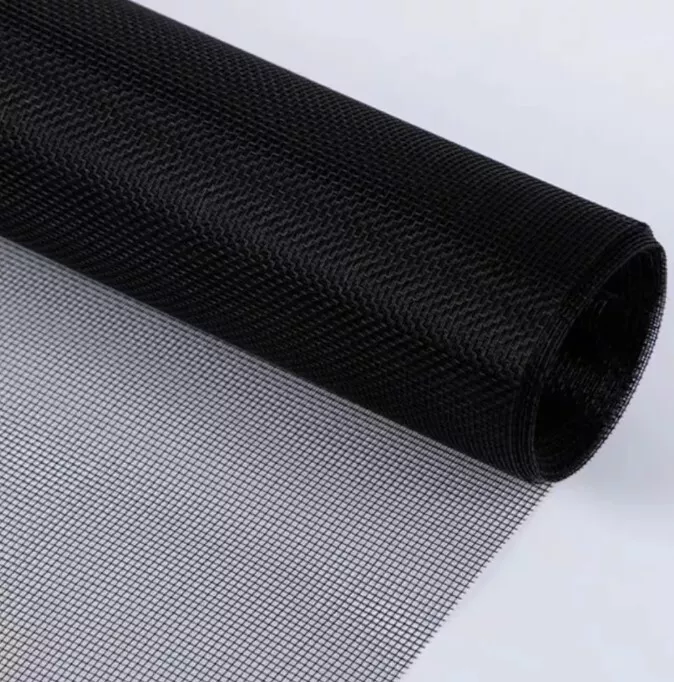 Stainless Steel Flyscreen Mesh
 Pet Paw Resistant Flyscreens and Mesh
 Aluminium Flyscreen Insect Mesh
 Flyscreen Insect Mesh Nylon Heavy Duty
 Flyscreen Accessories, Clips & Spline

 F17 Hardwood

TradeBase Buying Guide
Choose the right SPC hybrid floor in 60 seconds
Australia’s largest-format SPC longboard — 230 mm wide × 1820 mm long. Premium look, fewer joins, faster install. Seven Australian and European oak species. $1 samples to your door.
Market-leading 230 mm × 1820 mm longboards
Most SPC hybrid floors on the Australian market are 178 mm wide and 1220 mm long. TradeBase planks are 30% wider and 50% longer. The result: fewer joins, fewer planks per square metre, faster install, and a high-end large-format look that smaller boards can’t match. One 4 × 5 m room takes around 53 of our planks — vs roughly 90 for a standard 178 × 1220 board. Less cutting, less time on your knees, more premium feel underfoot.
SPC hybrid flooring sits between laminate and luxury vinyl plank — a stone-polymer composite core with a printed timber-look top wear layer. It’s water-resistant, more rigid than vinyl, cheaper than engineered hardwood, and clicks together for a floating install with no nails or glue. This guide walks through every decision so you order the right colour and the right quantity the first time.
Order a sample first
Flooring colour photographs differently to how it looks under real-world LED downlights, north-facing window light, or warm halogen. The cheapest way to avoid a 50-sqm regret is a $1 sample. Each sample is a 230 mm × 230 mm tile of the actual floor — lay it in the room, look at it morning and evening, then order. Order multiple samples to compare side-by-side.
The full colour range — at a glance
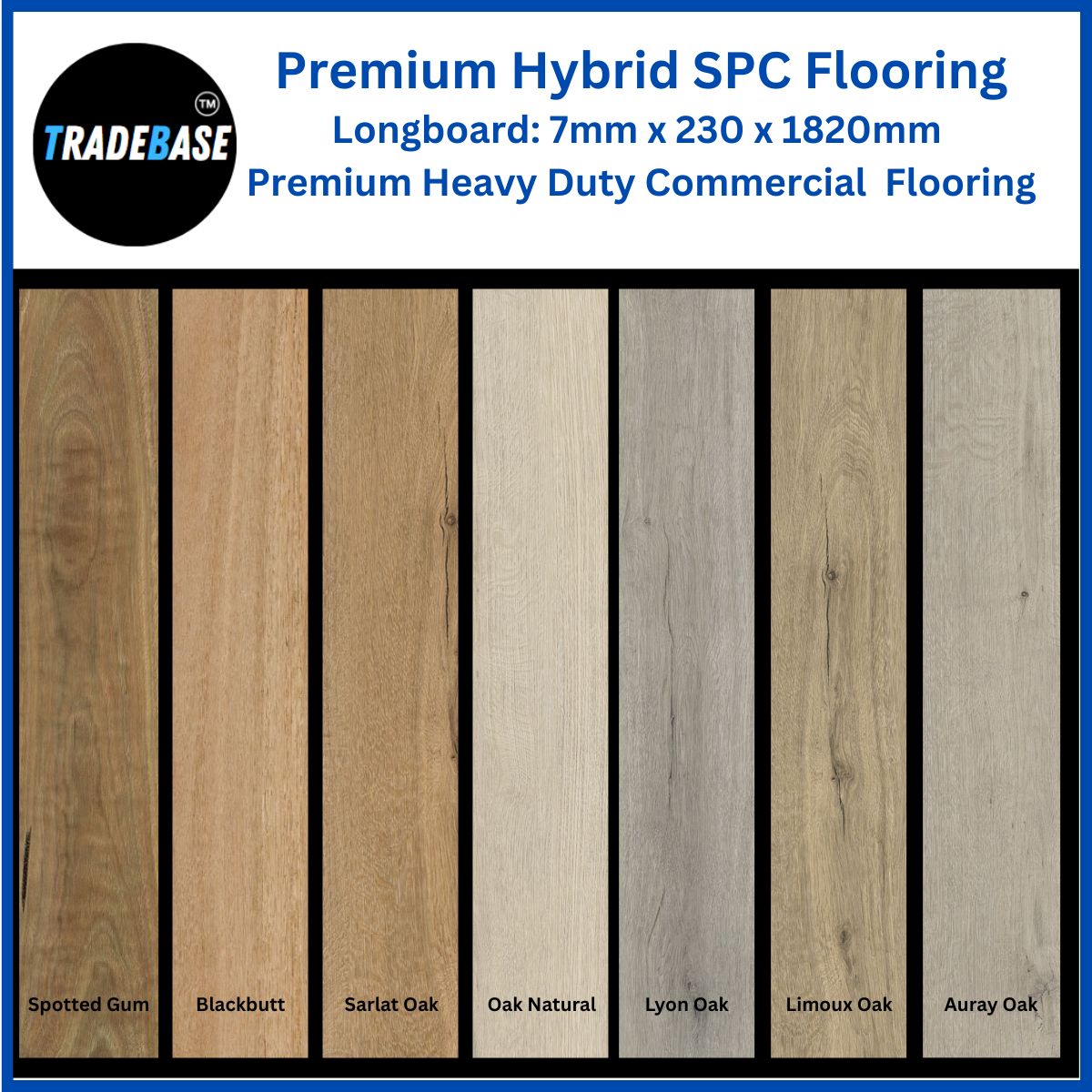
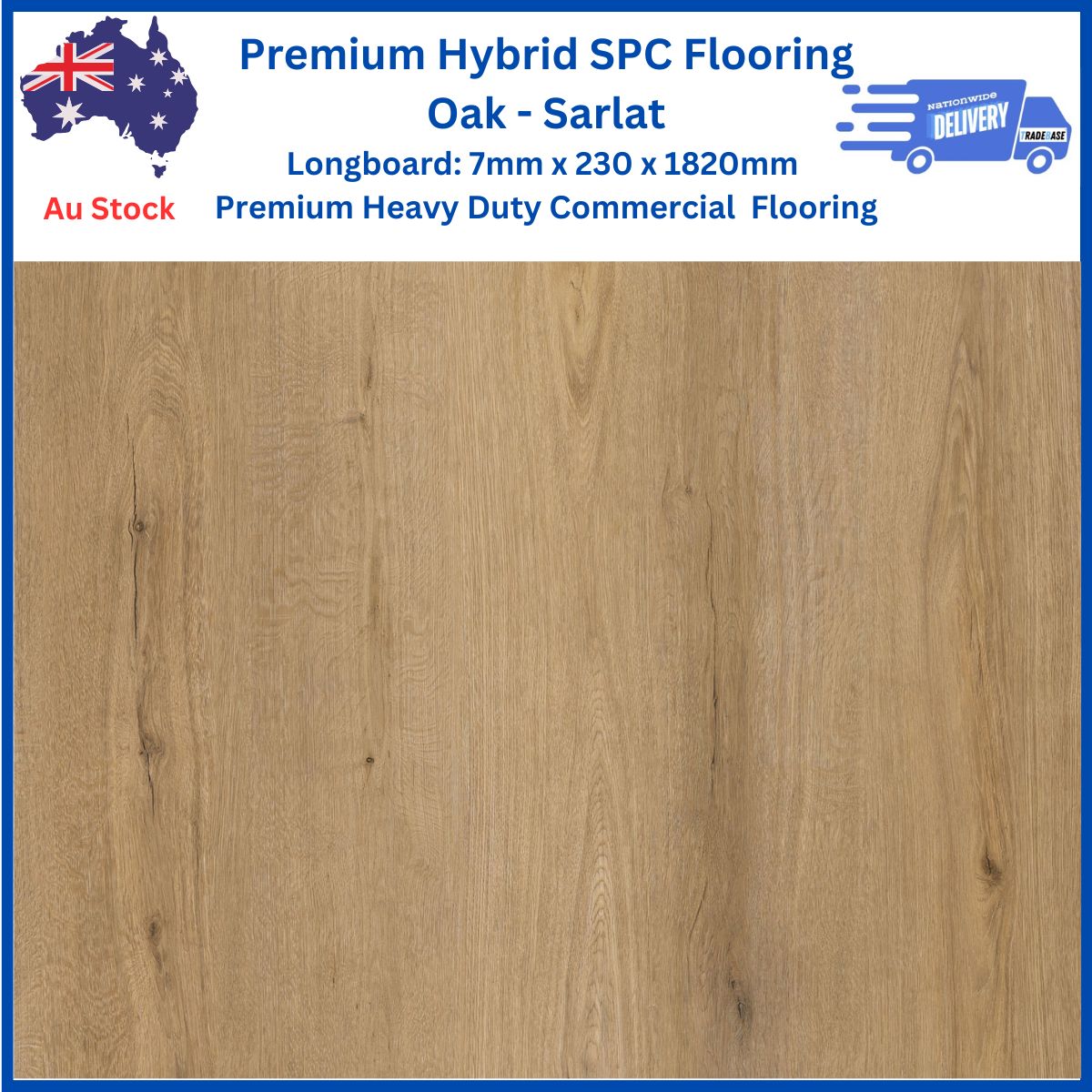
The seven colours
Click any colour for the product page, room install shot and $1 sample option.
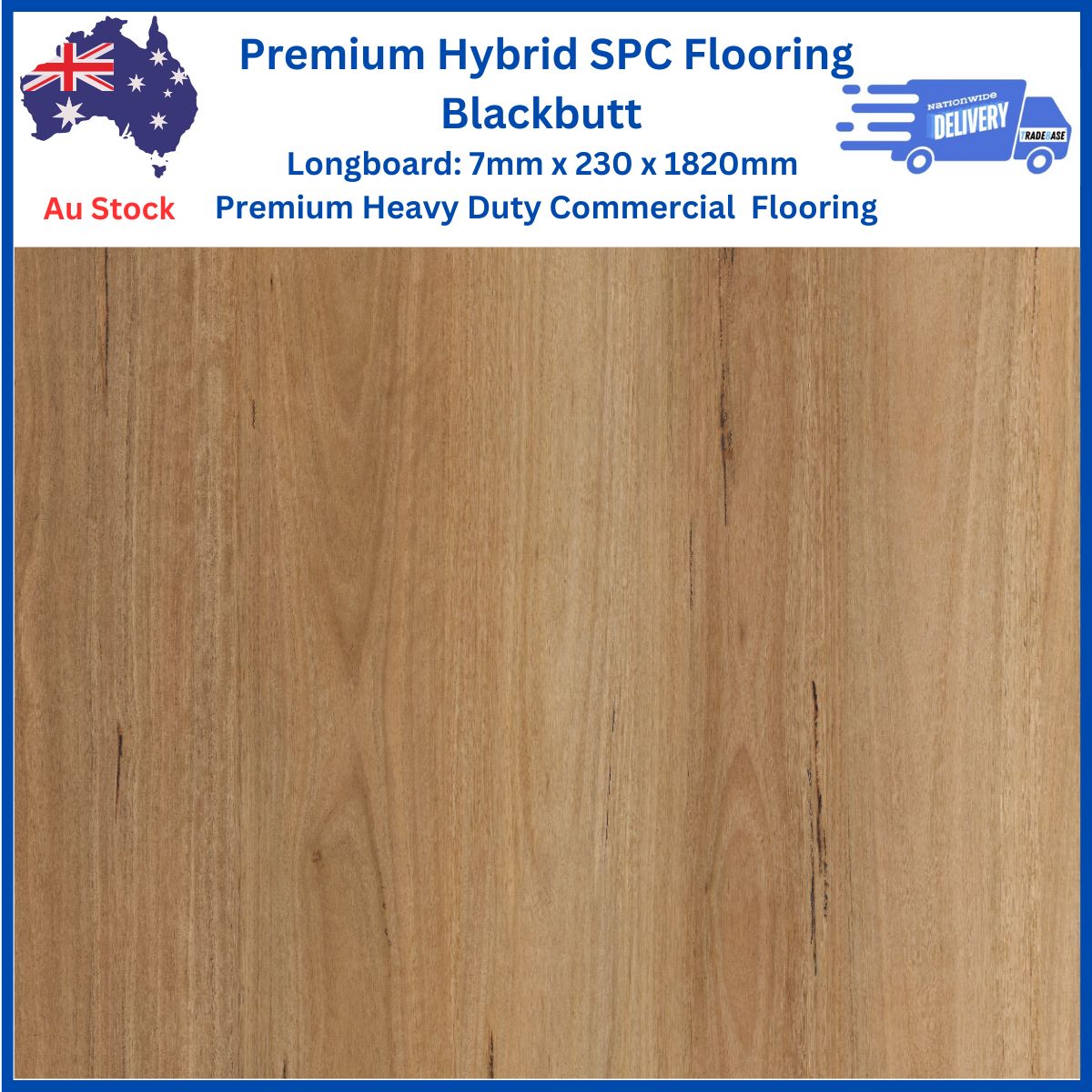
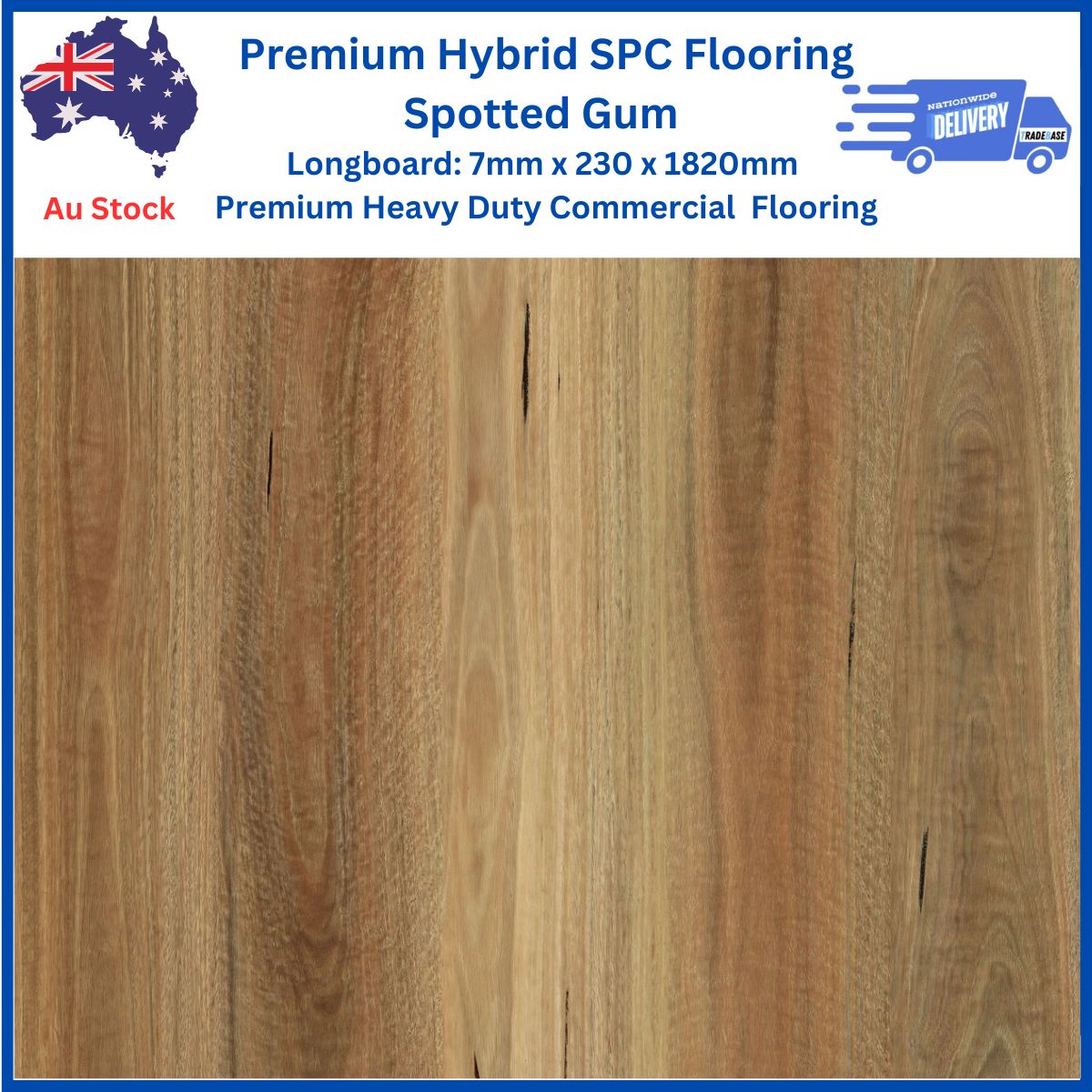
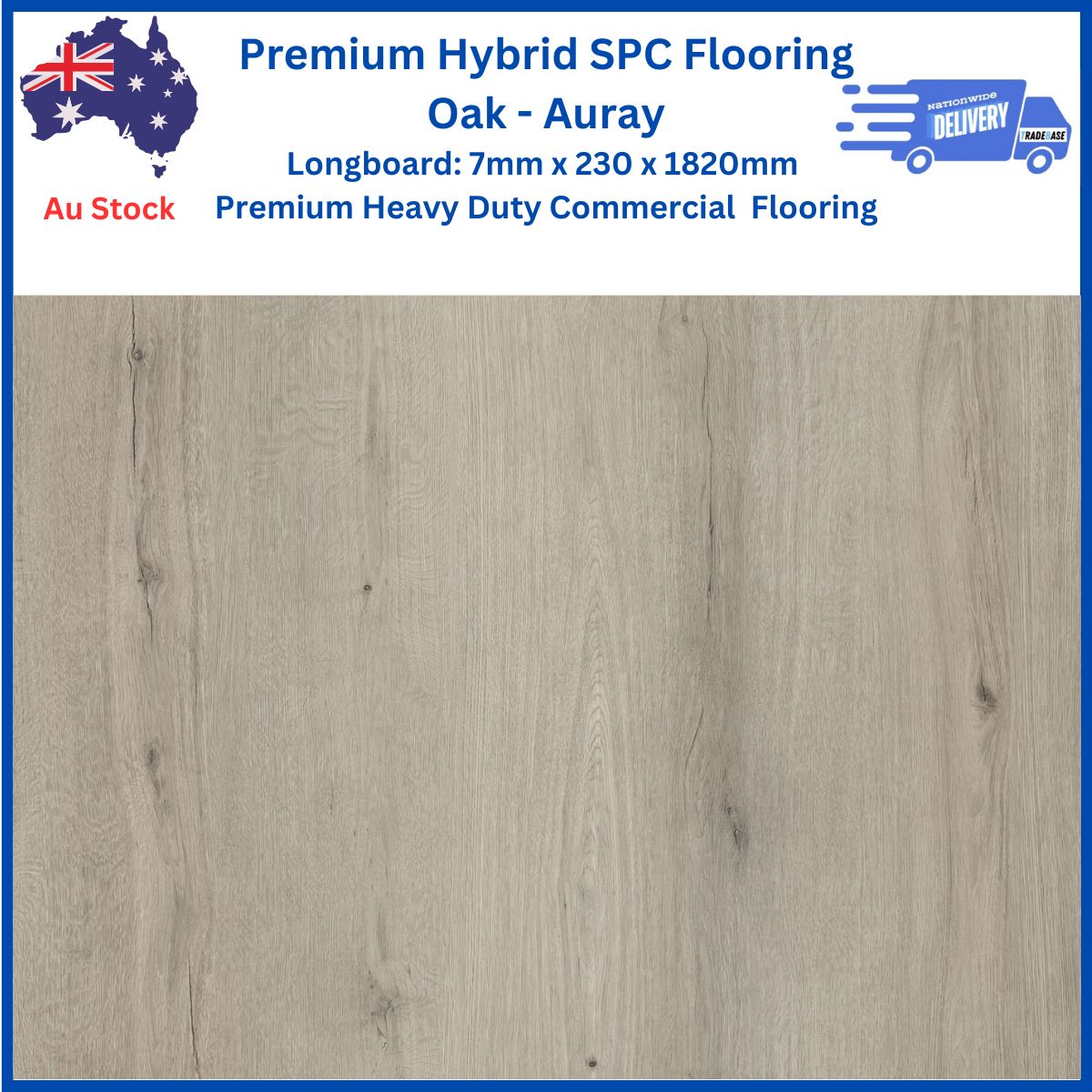
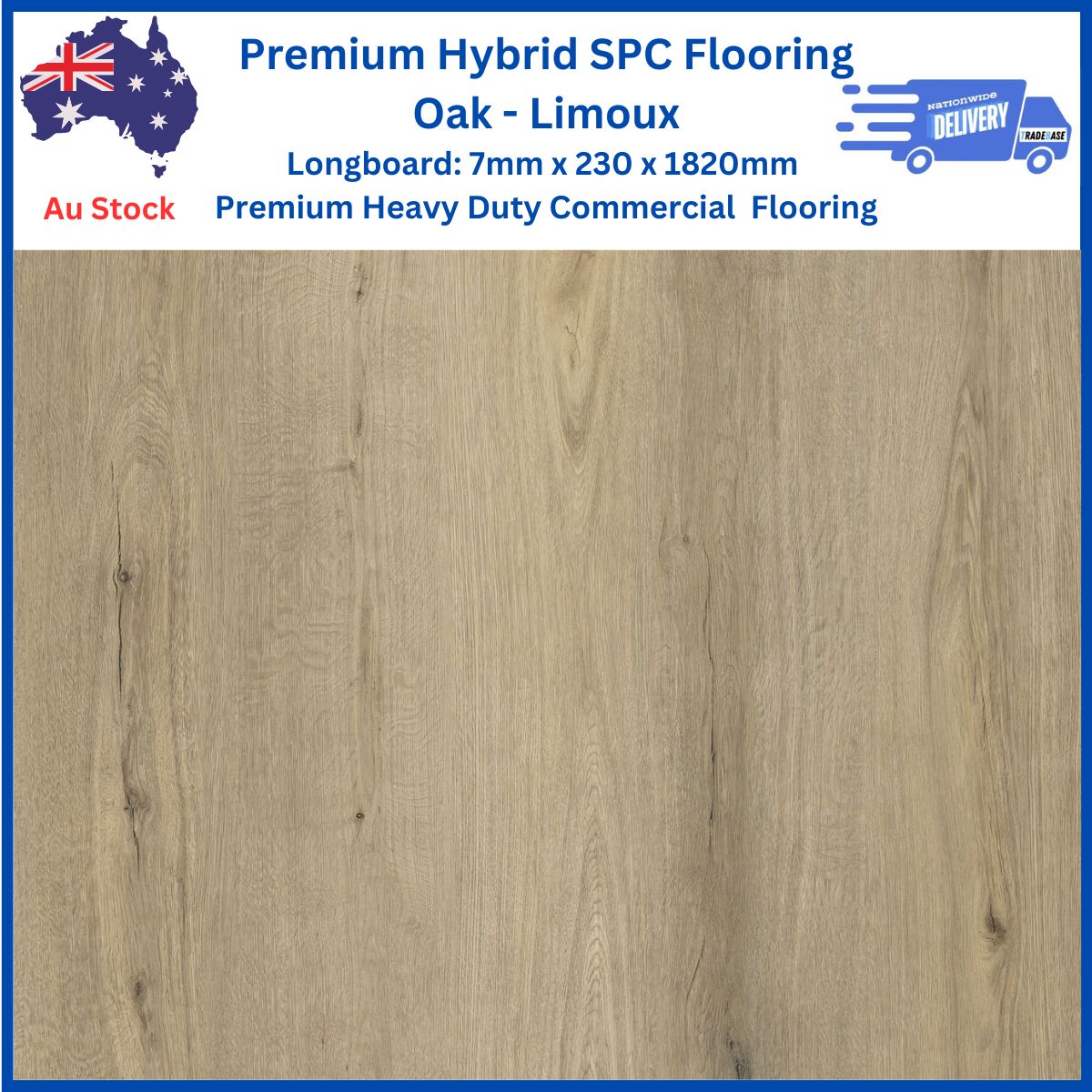
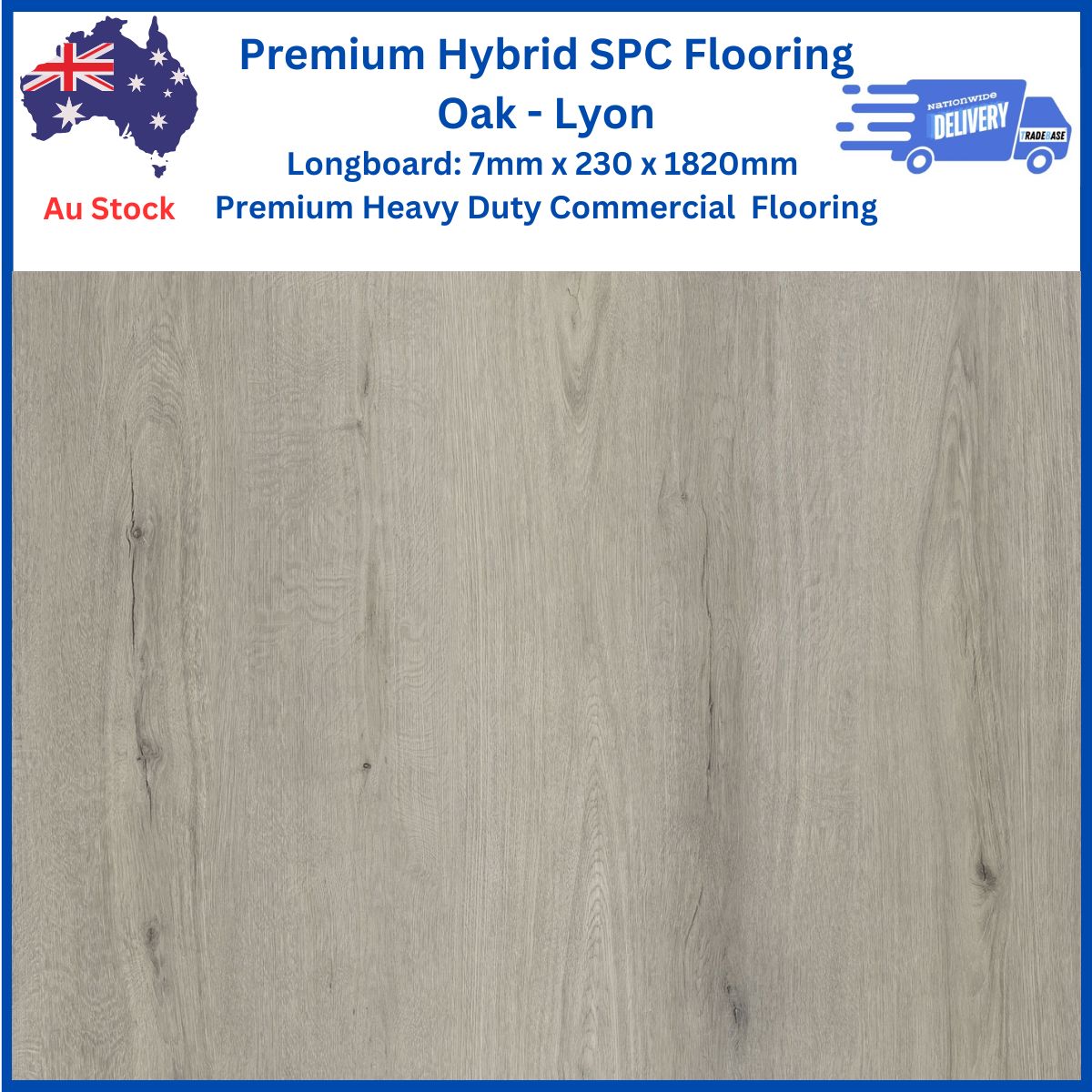
See it laid in a room
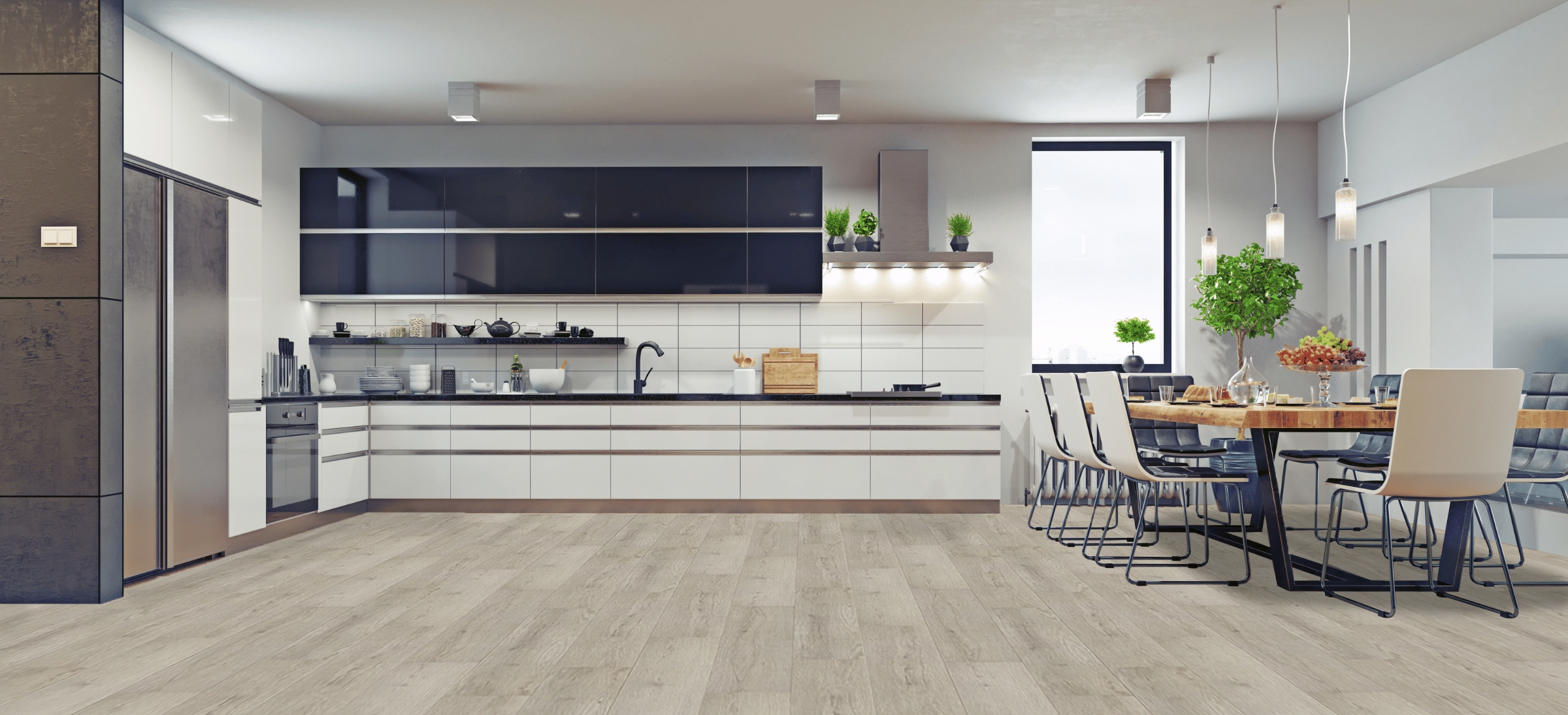
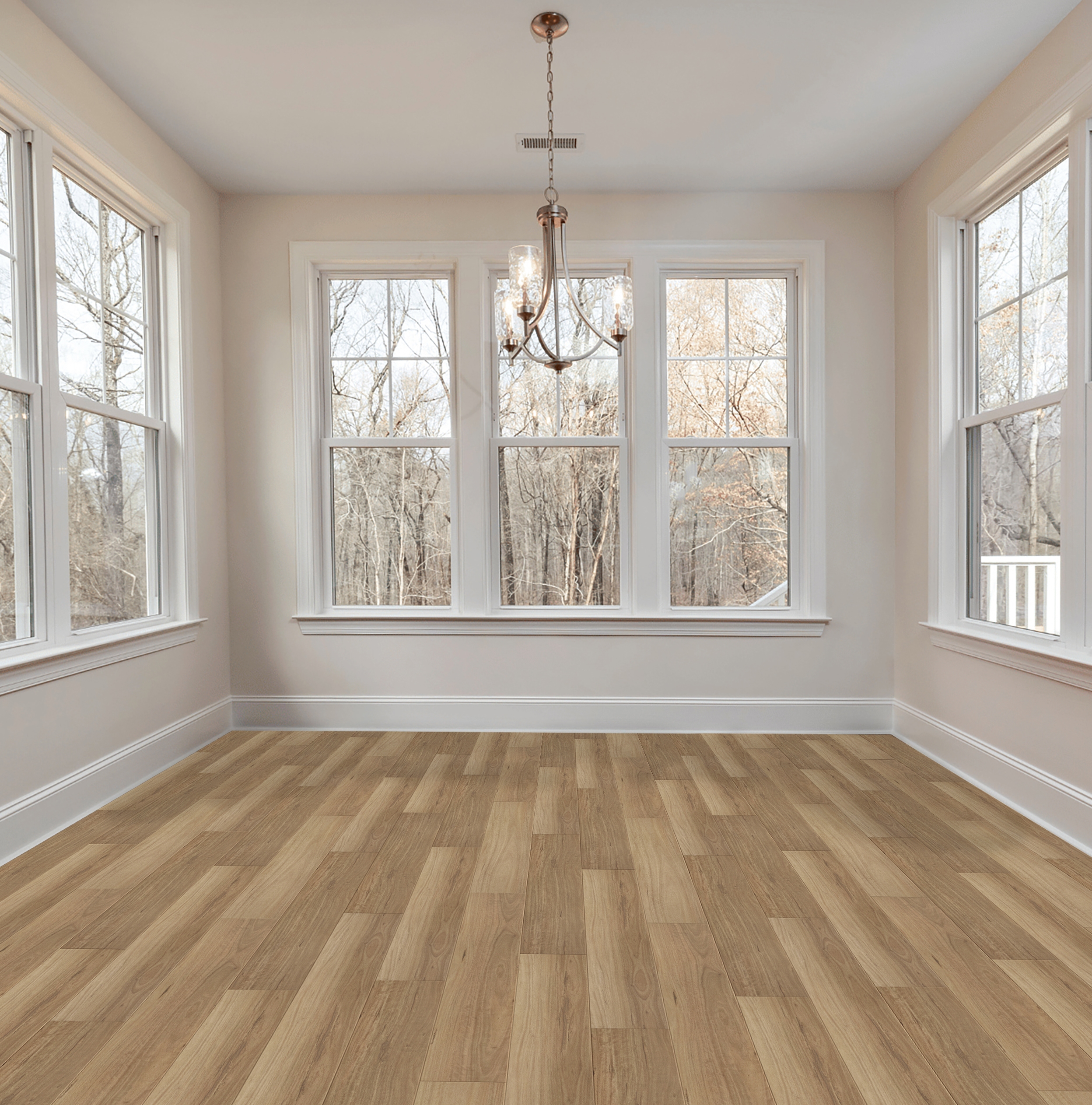
The 230 mm wide × 1820 mm long format reads as proper plank flooring, not the busy short-board look you get with smaller hybrids. Here’s what each colour looks like installed.
Why SPC hybrid?
Water-resistant
Stone-polymer core won’t warp from spills, mopping or full-water exposure. Suitable for kitchens, laundries, bathrooms.
Faster click-lock install
Longboard format = ~40% fewer planks than standard SPC. No nails, no glue. Average DIYer lays a typical room in a weekend.
Premium look
230 mm wide planks read as engineered hardwood, not budget vinyl. Fewer joins, longer flowing grain, large-format finish.
Calculate your area
Each plank is 230 mm × 1820 mm = 0.42 sqm. Measure your room (length × width in metres), add 10 % for offcuts and pattern matching, divide by 0.42 to get plank count, round up. Example: a 4 × 5 m living room is 20 sqm. Plus 10 % = 22 sqm. Divided by 0.42 = 53 planks.
What it gets called — the same product, different names
Flooring reps, builders, retailers and manufacturers all use different words for the same thing, and some of those words are marketing labels rather than a material spec. Here’s the translation, so you can tell when two quotes are for the same product and when they aren’t.
| What we call it | Also known as |
|---|---|
| SPC flooring | Stone plastic composite, stone polymer composite, rigid core vinyl, rigid vinyl plank, SPC click flooring, stone composite flooring |
| Hybrid flooring | Hybrid timber, rigid hybrid, composite hybrid plank |
| Plank | Board, batten, strip, floorboard, lineal |
| Wear layer | Top coat, wear surface, PU layer, protective layer, UV coat |
| Click system | Click lock, drop-lock, angle-angle, interlock, floating join, tongue and groove click |
| Underlay | Underlayment, acoustic backing, IXPE backing, EVA backing, foam backing, attached pad |
| Floating floor | Loose-lay floating install, non-glued install, floating install |
| Expansion gap | Perimeter gap, movement gap, spacer gap |
| Scotia | Quad, quarter round, beading, scotia trim |
| Reducer | Transition strip, T-bar, threshold strip, end cap, trim profile |
| Stair nosing | Step edge, stair edge trim, bullnose trim |
| LVP / LVT | Luxury vinyl plank, luxury vinyl tile, vinyl plank, vinyl tile |
| Emboss | Texture, grain emboss, EIR (embossed in register), surface texture |
Two things the label won’t tell you
“Hybrid” is a marketing umbrella, not a material. It covers SPC — a rigid stone-composite core, dense, dimensionally stable and harder underfoot — and it also covers WPC, a wood-plastic composite core that is lighter, softer and more forgiving over an uneven subfloor. Two floors both sold as “hybrid” can be completely different underneath. Check the core, not the label.
The wear layer decides how long the floor lasts — not the total plank thickness. A thick plank with a thin wear layer will show traffic patterns years before a thinner plank with a heavier wear layer. Total thickness affects feel underfoot, acoustics and how much subfloor variation the floor will tolerate; it is not a durability figure. When you are comparing two quotes, compare the wear layers first.
Builders, project managers, fitouts & renovators — trade pricing
Orders over 100 sqm get set trade pricing locked in for the build. Tell us your project size and we’ll come back inside 24 hours with rates plus priority dispatch.
Browse the full SPC flooring range, or work through the rest of the TradeBase buying guides.
SPC hybrid flooring FAQ
Measure the room in metres, multiply length by width, then add 10 per cent for offcuts and pattern matching. Each TradeBase plank is 230 mm by 1820 mm and covers 0.42 sqm, so divide your total area by 0.42 and round up to get the plank count. A 4 by 5 m living room is 20 sqm; plus 10 per cent that is 22 sqm, which works out at 53 planks. Measure each room separately and add the results together rather than estimating the whole house in one go.
Each plank is 230 mm wide by 1820 mm long, which is about 30 per cent wider and 50 per cent longer than the 178 mm by 1220 mm boards most Australian SPC ranges use. That means roughly 40 per cent fewer planks for the same floor area, so there are fewer joins to line up, less cutting and less time on your knees. The large-format size also reads as proper plank flooring rather than the busy short-board look you get from smaller hybrids.
Yes, and it costs a dollar. Flooring photographs differently to how it looks under LED downlights, north-facing window light or warm halogen, so a screen colour is not a reliable guide. Each sample is a 230 mm by 230 mm tile of the actual floor. Lay it in the room it is destined for, look at it in the morning and again in the evening, then order. Ordering several at once lets you compare the seven colours side by side before you commit to 50 sqm.
Yes. The stone-polymer core is water-resistant and will not warp from spills, mopping or full water exposure, so it suits kitchens, laundries and bathrooms as well as living areas. That is the main practical advantage over laminate, which swells once water reaches the core. Because the same floor handles wet and dry areas, you can run one colour right through the house for a continuous look instead of changing product at every doorway.
Neither. SPC hybrid planks click together and float over the subfloor, so there are no nails, no glue and no adhesive to cure. An average DIYer lays a typical room in a weekend, and the longboard format speeds that up because there are fewer planks to handle and fewer joins to align. Leave an expansion gap around the perimeter and cover it with scotia, and use a reducer or transition strip where the floor meets a different surface.
Check the core and the wear layer, not the word on the box. Hybrid is a marketing umbrella rather than a material: it covers SPC, a rigid stone-composite core that is dense, dimensionally stable and harder underfoot, and it also covers WPC, a lighter wood-plastic core that is softer and more forgiving over an uneven subfloor. Compare the wear layers before anything else, because the wear layer decides how long the floor lasts, not the total plank thickness.
Yes. Orders over 100 sqm get set trade pricing locked in for the build, which suits builders, project managers, fitout contractors and renovators. Send us the project size and we will come back within 24 hours with rates plus priority dispatch. Because the rate is locked in for the duration of the build, a staged job is charged at the same price on the last delivery as it was on the first, so you can quote the floor with confidence.